

Shopping for Florida mobile home insurance or manufactured home insurance? Many homeowners in Brandon, Riverview, Valrico, and across the Tampa Bay area have the same questions. What coverages should you be looking for? How are claims settled? And how do you make sure your home is protected when Florida weather shifts from sunshine to storm season?
Manufactured homes are an important part of the housing landscape throughout Florida. For many families, they represent years of memories, stability, and the comfort of having a place to truly call home. Protecting that home isn’t just about meeting insurance requirements — it’s about protecting the life you’ve built inside it.
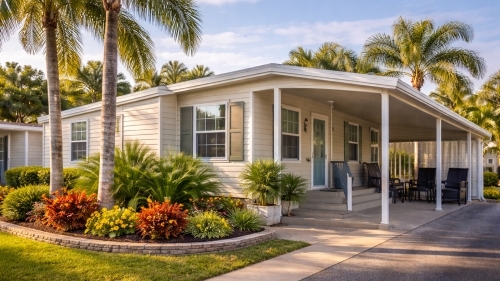
At Think Safe Insurance, our team specializes in Florida manufactured home insurance and mobile home insurance policies designed specifically for manufactured housing. Our agency has completed advanced training focused specifically on manufactured housing through the Foremost Insurance Group, which helps us understand the unique construction, risks, and coverage options associated with these homes.
While Foremost is not currently writing manufactured home policies in Florida, that certification still reflects specialized expertise in this area of insurance. As an independent agency serving the Tampa Bay area, we work with several carrier partners that specialize in manufactured home coverage in Florida. Carrier availability in this space changes frequently — contact our team directly so we can share the most current options for your specific home and location.
Because protecting your home shouldn’t feel confusing. You deserve clear answers, the right coverage options, and the peace of mind that comes from knowing your home and family are protected.
Florida Weather and Manufactured Homes
Living in Florida means enjoying warm sunshine most of the year, but it also means preparing for hurricane season. Manufactured homes are engineered differently than traditional site-built homes, which makes proper anchoring systems especially important when strong winds arrive.
Most homes rely on tie-down systems, ground anchors, and hurricane straps to secure the structure. Insurance companies often review these features when evaluating eligibility for coverage because properly anchored homes are designed to better withstand wind events.
These systems don’t just affect insurance eligibility — they provide peace of mind. When your home is anchored properly, you know it was built to handle Florida’s weather patterns, from summer thunderstorms to hurricane-force winds.
Park Communities vs. Private Land
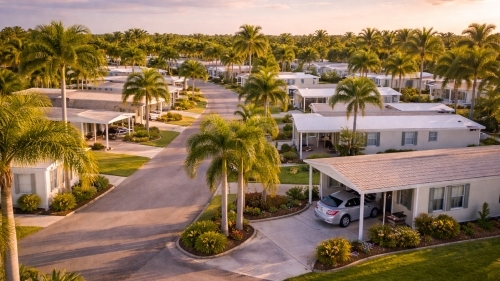
Manufactured homes across Hillsborough County and the Tampa Bay area are commonly located either in organized mobile home communities or on privately owned land. Both situations are common in areas like Brandon, Riverview, and Valrico.
- Mobile Home Parks – In many communities the land is owned by the park while residents own the home itself. Insurance policies typically focus on the home, personal property, and liability protection.
- Private Land – Homes located on private property may also include detached structures such as carports, sheds, or garages that may need to be insured as “other structures.”
What Types of Mobile Homes Can Be Insured?
- Mobile Homes – Pre-1976 construction
- Manufactured Homes – 1976 and newer built to HUD code
- Park Models
- Modular Homes installed on permanent foundations
- Stationary travel trailers used as long-term residences or rentals
Each of these housing types has unique construction features and insurance considerations. Manufactured home policies are designed specifically to address these differences.
Pre-1976 Mobile Homes
Homes built before 1976 were constructed before federal HUD code standards were introduced for manufactured housing. Because of this, many insurance companies avoid these homes entirely.
However, some specialized insurance carriers evaluate older homes individually. Homes that have been well maintained or updated with improvements such as electrical upgrades, roof replacements, or structural repairs may still qualify for coverage.
Working with an agency that understands manufactured housing helps ensure these homes receive the careful evaluation they deserve instead of being automatically declined.
What Occupancy is Allowed for Manufactured Home Insurance?
- Owner occupied primary residences
- Seasonal homes
- Long-term rental properties
- Short-term rentals
- Tenant-occupied homes
How Are Claims Settled for Mobile Home Insurance?
Manufactured home insurance policies typically allow several different claim settlement options depending on the level of coverage you choose.
- Replacement Cost – The most comprehensive option. Covered damage is repaired using new materials and labor without deducting depreciation.
- Agreed Value – A predetermined value is listed on the policy and paid in the event of a total loss.
- Actual Cash Value – Claim payments are based on the depreciated value of the damaged components at the time of the loss.
Unique Coverages in Manufactured Home Insurance
- No Age Limit – Some specialized policies may still offer strong coverage options even for older homes.
- No Restricted Dog Breeds – Many manufactured home policies evaluate pets based on behavior history rather than automatically excluding certain breeds.
- Trampolines – Some specialized carriers still allow coverage where traditional homeowners policies might exclude them.
Flood Insurance and Manufactured Homes
One of the most common coverage gaps homeowners discover after a storm involves flood damage. Standard manufactured home insurance policies typically cover wind, fire, theft, and many other risks — but they do not cover rising water.
Flooding in Florida often occurs from heavy rainfall, overflowing retention ponds, drainage canals, or nearby lakes. Even homes outside high-risk flood zones in Tampa Bay neighborhoods can experience flooding during large storms.
Because of this, many homeowners choose to carry a separate flood insurance policy. If you want to learn more about how flood coverage works, visit our Florida flood insurance page.
Tips for Lowering Manufactured Home Insurance Costs
- Install updated tie-down or anchoring systems
- Maintain the roof and exterior skirting
- Consider a wind mitigation inspection
- Bundle home and auto insurance policies when possible
Helpful Resources for Florida Homeowners
Frequently Asked Questions
Does Florida manufactured home insurance cover hurricane damage?
Yes, specialized Florida policies generally include windstorm coverage for hurricanes. It is important to remember that hurricane deductibles are typically calculated as a percentage of your home’s value rather than a flat dollar amount. We can help you determine your specific hurricane coverage limits.
Can I get insurance for an older mobile home built before 1976?
Yes. While many standard carriers decline pre-1976 homes, we work with specialized carriers that evaluate these homes individually. If your home is well-maintained and has updated systems such as a newer roof or electrical improvements, we can often find quality coverage options for you.
Are my carport and shed covered?
Usually, yes. Detached carports, sheds, and garages are typically covered under the “Other Structures” portion of your policy. It is important to verify if specific hurricane exclusions apply to aluminum structures, as carports are particularly susceptible to wind damage. We recommend reviewing these limits to ensure you have enough coverage to replace them if needed.
What is the difference between Replacement Cost and Actual Cash Value?
Replacement Cost provides funds to repair or replace damaged parts with new materials of similar quality without deducting for age or wear. Actual Cash Value pays based on the depreciated value of the item at the time of loss. Replacement Cost offers significantly better protection for most homeowners and is generally worth the additional premium.
Do I need flood insurance if I live in a mobile home park?
Possibly. Flooding in Florida often occurs from heavy rainfall and drainage issues rather than coastal storm surge alone. Many Tampa Bay communities rely on retention ponds, canals, and drainage systems to move water during large storms. When those systems become overwhelmed, flooding can occur even in neighborhoods not officially located in FEMA flood zones. Because standard manufactured home insurance does not cover rising water, many homeowners choose to carry a separate flood policy for additional protection.
Will my policy cover my pets?
Many specialized manufactured home policies include personal liability coverage that may help protect you if a pet injures someone, but coverage varies by carrier and policy. One advantage of many manufactured home policies is that they often focus on behavior history rather than automatically excluding certain dog breeds. We recommend reviewing your specific policy documents together — our team is happy to walk through exactly what your policy includes.
Are hurricane tie-downs required for insurance in Florida?
Florida installation standards typically require manufactured homes to be secured using approved tie-down systems or ground anchors. Insurance companies frequently review these anchoring systems during underwriting because properly secured homes are designed to better withstand hurricane-force winds. Homes with updated tie-downs or modern anchoring systems may have better eligibility with certain insurance carriers.
What information is needed for a quote?
To get an accurate quote, we typically need the year, make, and size of your home, its location, and whether it is in a park or on private land. Information about the age of your roof and your current tie-down system is also very helpful in securing the best possible rate.
Getting a Manufactured Home Insurance Quote is Easier Than You Think
Many homeowners delay getting insurance quotes because they expect the process to be complicated or time-consuming. The reality is that getting a manufactured home insurance quote is usually quick and straightforward.
When you request a quote through Think Safe Insurance, our team simply gathers a few details about your home so we can compare options with insurance companies that specialize in manufactured housing. There’s no pressure and no obligation — just clear information to help you make the best decision for your home.
Most quotes only require a few basic details:
- The year and size of your manufactured home
- The address or location of the home
- Whether the home is owner-occupied or rented
- Any major updates like roof replacements or electrical upgrades
- Whether the home has tie-downs or anchoring systems installed
Once we receive that information, our team reviews available options with specialized insurance carriers and helps you compare coverage choices clearly. Because protecting your home should feel simple, not stressful.
Conclusion

Manufactured homes provide comfortable, affordable living for many families across the Tampa Bay area. With the right insurance coverage in place, you can enjoy your home knowing it’s protected against the risks that come with Florida living.
If you’d like help reviewing your current policy or getting a Florida manufactured home insurance quote, our team at Think Safe Insurance is here to help. Call 813-425-1626 or request a quote online and one of our agents will guide you through the options.
When you think insurance…Think Safe!
Last Reviewed: March 2026