


Many Mulberry homeowners assume they don’t need Mulberry flood insurance because they’re far from the coast or outside a high-risk flood zone. But Central Florida rain doesn’t check flood maps, and your homeowners policy won’t pay a dime for flood damage. The fix is simple, as long as you put it in place before the water comes.
Quick Takeaways
- Local Reality: Mulberry sits on the North Prong of the Alafia River, Imperial Lakes Boulevard has a long history of storm flooding, and Hurricane Milton flooded roads across Polk County in 2024.
- The Coverage Gap: The homeowners policy excludes flood, and a flood claim can come from a property that is not in a high-risk zone.
- Coverage Options: NFIP and private flood policies, with building and contents coverage chosen for the home and what is inside it.
- The Independent Advantage: We compare NFIP and private flood options for you, explain the waiting period, and help you secure coverage before storm season.
Why Flood Insurance Matters in Mulberry
Standard homeowners policies exclude flood damage. Your homeowners insurance can protect against many covered losses, but flood requires its own policy.
The difference comes down to where the water comes from. A burst pipe or a broken appliance line inside your home is typically a homeowners claim. If wind tears off part of your roof and rain pours in from above, that’s typically covered under your homeowners policy too. But if storm water builds up outside and seeps in under the door or through the foundation, that’s flood, and only a flood policy covers it.
Flood damage can affect homes inside and outside mapped high-risk flood zones. In fact, more than 20% of NFIP flood claims come from properties outside high-risk zones. A separate flood policy helps safeguard your home equity, your personal property, and the savings you have worked to build.
Flood insurance protects the home and its contents. If water damages your vehicle, that is handled by comprehensive auto coverage, not a flood insurance policy.
Flood Risk Around Mulberry
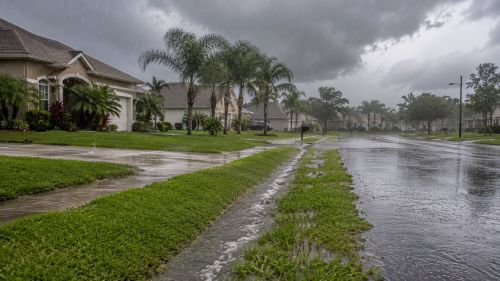
Being inland doesn’t mean being safe from flooding. When Hurricane Milton crossed Central Florida in 2024, flooding blocked roads across Polk County. Even without a hurricane, most of the area’s rain falls from June through September, and a slow-moving summer storm can overwhelm drainage quickly.
Closer to home, Imperial Lakes Boulevard in the Mulberry area has flooded after heavy rains and tropical storms for decades, including during Hurricane Idalia in 2023, because of drainage problems rather than rainfall alone. That’s the kind of flooding that happens outside high-risk zones and catches homeowners off guard.
Water is also part of Mulberry’s landscape. The city sits on the North Prong of the Alafia River, communities like Willow Oak wind around lakes, ponds, and wetlands, and many newer neighborhoods are built around retention ponds. Decades of phosphate mining also reshaped the land and drainage paths around Mulberry, which is one reason flood exposure can vary so much from one property to the next. That’s a big part of the area’s appeal, and a good reason to review flood protection before the wet season rather than when a storm is already on the way. Learn more about the area in our guide to Mulberry, FL.
Flood Zones, Risk Rating 2.0, and Lender Requirements
A flood zone is a FEMA map designation for a property’s flood risk. Zone X means lower risk, while Zones A and AE are high-risk areas. Two homes on the same street can land in different zones. A zone can affect lender requirements, but it doesn’t decide on its own whether flood insurance is worthwhile for your home. We can look up your property’s zone for you.
Lenders require flood insurance for federally backed mortgages on buildings in high-risk flood zones, known as Special Flood Hazard Areas (Zones A and V). If that describes your home, your lender will require a policy before closing or renewing the loan.
The City of Mulberry is a participating NFIP community, which means Mulberry property owners can buy federally backed flood insurance.
Under Risk Rating 2.0, NFIP premiums are based on each property’s individual flood risk, not only its flood zone. Factors include distance to water, elevation, foundation type, and cost to rebuild. Because this property-specific rating approach prices each home individually, a quote is the clearest way to understand your options.
If your home is insured through Citizens Property Insurance, flood coverage is becoming part of the picture too. Citizens is phasing in a flood insurance requirement for most personal residential policies that include wind coverage, and all such policies will be required to carry flood by January 1, 2027, subject to statutory exemptions such as condo unit owners. Reviewing your options before your next renewal gives you time to choose coverage that fits.
NFIP vs. Private Flood Insurance
Both NFIP and private flood insurance can help protect your home and belongings. The right choice depends on your lender’s requirements, the amount of building coverage you need, the value of your contents, and the policy features available for your property.
- NFIP flood insurance: Residential coverage is available up to $250,000 for the building and $100,000 for contents. Those limits can be a good fit for many homes, but if your home’s rebuild cost exceeds the building limit, you may want to consider additional protection. The standard NFIP waiting period is 30 days, with limited exceptions.
- Private flood insurance: Private policies are available in Florida and may offer different limits, deductibles, waiting periods, and coverage options than NFIP. Some private policies also include additional living expenses if you have to move out during repairs, which NFIP policies don’t cover. A private policy is worth comparing when you need building limits above the NFIP maximum or want features like these.
The 30-day NFIP waiting period does not apply in certain situations, including coverage purchased in connection with making, increasing, or renewing a mortgage loan, or within one year of a flood map revision. We will explain when your coverage begins before you bind a policy. It is also best to have coverage in place well before a storm approaches.
Step-by-Step: How to Get Flood Insurance in Mulberry
- Confirm the property’s flood zone. We can help you review the property information and any lender requirement. If you are buying a home, include flood coverage in your insurance planning before closing.
- Choose building and contents limits. Consider the cost to rebuild the home and the value of the belongings you want to protect. Renters generally need contents coverage, while homeowners may need both building and contents coverage.
- Compare NFIP and private options. We compare available policies, limits, deductibles, waiting periods, and coverage choices for your household.
- Understand when coverage starts. Standard NFIP coverage has a 30-day waiting period, unless a limited exception applies. Private policy waiting periods can differ.
- Get your quote with Think Safe. Start with the quick flood quote tool on the side of this page, or request a quote and a licensed local agent will help you secure coverage before a storm, before your next renewal, or as part of a home purchase.
Policies, endorsements, and eligibility vary by carrier, so we will review the options available for your property and explain the coverage you are considering.
Frequently Asked Questions
Does homeowners insurance cover flooding in Mulberry?
No. Standard homeowners policies exclude flood damage, so you need a separate flood insurance policy to protect your home or belongings from flood loss.
Do I need flood insurance if my home is not in a high-risk flood zone?
You may still want it. More than 20% of NFIP flood claims come from properties outside high-risk flood zones. Flood coverage can help protect your savings and home equity even when a lender does not require it.
How long after I buy flood insurance does coverage start?
The standard NFIP waiting period is 30 days. Limited exceptions apply, including coverage purchased in connection with making, increasing, or renewing a mortgage loan, or within one year of a flood map revision. Private flood policies may have different waiting periods.
What is the difference between NFIP and private flood insurance?
NFIP residential coverage is available up to $250,000 for the building and $100,000 for contents. Private flood insurance may offer different limits, deductibles, waiting periods, and coverage options. We can compare both and help you find a policy that fits your property.
Get a Mulberry Flood Insurance Quote
Flood insurance is one practical way to defend the home, belongings, and savings you have worked for. Think Safe Insurance will compare your available NFIP and private flood options, explain the waiting period, and help you choose coverage with a licensed local agent in your corner. Call us at 863-356-4600 or book a time to talk.

Start a Quick Flood Quote
Enter your property details below to get your flood quote started. We’ll review your options and follow up with your NFIP and private flood choices.
When you think insurance… Think Safe!


 | Reviewed by Greg Martin Greg Martin has over 18 years of experience helping Florida families understand and protect their homes, vehicles, and other assets through homeowners, auto, flood, and specialty insurance. He is the owner of Think Safe Insurance, an independent Florida insurance agency. |
Last Reviewed: October 2026