


Lake Wales flood insurance is an important part of protecting homes throughout this unique east Polk County community. While Lake Wales is located inland and does not face coastal storm surge, the area’s lake-oriented landscape, seasonal thunderstorms, and hurricane-driven rainfall can still create serious freshwater flooding concerns. Flood risk in Central Florida is often tied to drainage patterns, heavy rainfall, and how quickly water can move away from a property — not simply distance from the coast.
- Local Reality: Lake Wales’ lake-oriented geography, historic areas, and Central Florida storm patterns create different flood exposures from one property to another.
- The Coverage Gap: Standard homeowners insurance does not cover flood damage caused by rising water entering from outside the home. A separate flood insurance policy is needed to protect against this risk.
- Coverage Options: Lake Wales homeowners can compare both NFIP and private flood insurance options, with private policies sometimes offering higher limits and broader coverage.
- The Independent Advantage: Think Safe Insurance helps Lake Wales residents compare multiple flood insurance options instead of relying on a single solution.
Lake Wales has a character unlike many surrounding Polk County cities. From the elevated ridge area near Bok Tower Gardens, built atop Iron Mountain — the highest point in peninsular Florida — to older properties around the Lake Wales Historic Downtown District, elevation, drainage, construction age, and surrounding development patterns can vary significantly.
The city continues growing as more residents discover eastern Polk County. According to U.S. Census Bureau estimates, Lake Wales had approximately 18,650 residents as of mid-2025 (Census), representing about 16.1% growth since April 2020. As growth continues around corridors like US-27 and SR-60, understanding how water moves through different parts of the community becomes even more important.
Does Lake Wales Really Have a Flood Risk?
Yes. One of the biggest misunderstandings about inland communities like Lake Wales is assuming elevation automatically removes flood concerns. While Lake Wales does not face coastal flooding, inland flood events usually develop from prolonged rainfall, overwhelmed drainage systems, saturated ground conditions, and tropical systems moving across Central Florida.
Flood exposure is extremely property-specific. A home on one street may have a completely different risk profile than another home nearby based on grading, drainage, surrounding development, and elevation changes.
The City of Lake Wales has also published information explaining that property owners, renters, and businesses located in flood hazard areas may participate in the National Flood Insurance Program (NFIP). The only way to confirm official FEMA flood zone status is by reviewing a specific address through the FEMA Flood Map Service Center.
Lake Wales’ Water Landscape and Drainage Patterns
Lake Wales’ geography creates a different type of flood conversation than nearby fast-growth communities. Rather than being defined primarily by highway expansion, Lake Wales has a long-established relationship with its lake-oriented landscape, historic neighborhoods, and natural elevation changes along the Central Florida ridge.
Even within the same city, drainage behavior can vary widely. Areas near older infrastructure may respond differently during extended rainfall than newer residential sections designed with modern stormwater systems. Large paved areas near commercial corridors like US-27 and SR-60 can also increase runoff during intense storms.
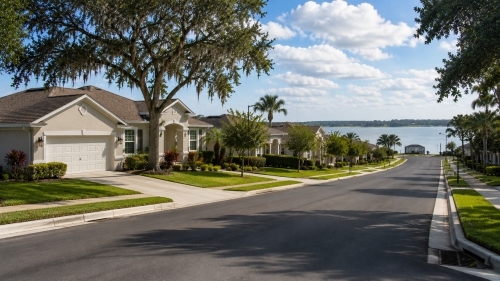
Lake Wales sits within east Polk County’s karst and limestone geology region. This geological background can influence how water collects, drains, and moves through certain areas during prolonged rainfall, although actual flood exposure still depends heavily on the individual property.
Because protecting your home matters, flood insurance decisions should be based on your specific address, nearby drainage characteristics, and available coverage options — not simply whether a mortgage company requires coverage.
FEMA Flood Zones in Lake Wales — Why Address-Level Verification Matters
FEMA flood zones are one of the most important tools for evaluating flood exposure, but they are frequently misunderstood. A flood map does not guarantee that a property will flood, and it does not guarantee that a property outside a high-risk zone cannot experience flooding.
Flood zones must always be verified by individual address through the FEMA Flood Map Service Center. Lake Wales residents should avoid making assumptions based only on a neighborhood, ZIP code, or nearby properties.
Properties inside certain FEMA-designated high-risk flood zones may be required to carry flood insurance when using a federally backed mortgage. However, many homeowners outside mandatory purchase zones still choose coverage because standard homeowners insurance does not protect against rising water damage.
Community Rating System (CRS) participation can sometimes impact NFIP flood insurance pricing in participating communities. Lake Wales’ specific CRS status should be verified with a licensed insurance agent rather than assuming a rating or discount applies.
Downtown Lake Wales and Historic-Area Flood Considerations
The Lake Wales Historic Downtown District represents one of the city’s most recognizable areas, with older buildings, established streets, and infrastructure developed during earlier periods of Central Florida growth. Historic areas often require a closer review because drainage systems, grading standards, and surrounding development patterns may differ from newer communities.
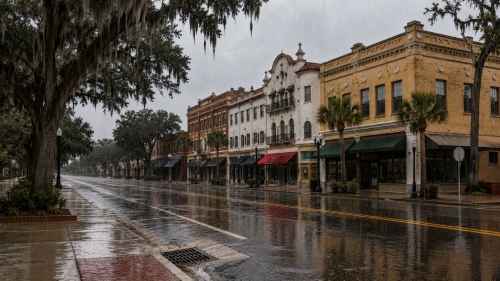
Flood exposure around downtown areas is not always connected to a major body of water. Heavy rainfall can overwhelm older drainage infrastructure, create temporary street flooding, and cause water to collect faster than systems can move it away.
Property owners near historic areas should evaluate both FEMA information and available private flood models to better understand their potential exposure before storm season arrives.
NFIP vs. Private Flood Insurance for Lake Wales Homeowners
Flood insurance options for Lake Wales homeowners generally fall into two categories: the National Flood Insurance Program (NFIP) and private flood insurance. Each option can make sense depending on the property, coverage needs, and underwriting factors.
The NFIP is a federally backed flood insurance program with standardized coverage limits. Current NFIP maximum coverage limits include:
- $250,000 in building coverage
- $100,000 in contents coverage
NFIP policies typically include a standard 30-day waiting period before coverage begins unless a qualifying loan closing exception applies. This is why reviewing flood insurance before storm season is important instead of waiting until a tropical system is approaching Florida.
Private flood insurance has become another option for many Florida homeowners. Depending on the property, private flood policies may provide higher coverage limits, broader protection options, and additional flexibility compared to NFIP coverage.
A home near an established Lake Wales neighborhood, a newer property near growing corridors, and a historic-area property may each qualify differently. Comparing both NFIP and private flood insurance options helps residents secure protection that fits their specific situation.
How Hurricane Impacts Have Affected Lake Wales
Hurricanes can impact Lake Wales differently than coastal communities. While storm surge is not the primary concern, inland rainfall, saturated ground, wind damage, and overwhelmed drainage systems can still create significant challenges.
During Hurricane Ian in 2022, Central Florida experienced widespread impacts as the storm crossed the state, reminding many inland communities that hurricane risk extends far beyond the coastline.
Hurricane Milton in 2024 also affected the Lake Wales area, with local reporting describing heavy rainfall, wind damage, and flooded roads throughout parts of the community. These events highlighted how quickly inland weather conditions can change during major storms.
Securing flood insurance before the next tropical system matters because coverage generally cannot be purchased at the last minute once a storm is already approaching.
Step-by-Step: How to Review Flood Insurance in Lake Wales
- Review your current homeowners policy and confirm whether you currently have separate flood insurance protection.
- Verify your property’s FEMA flood zone by address using the FEMA Flood Map Service Center.
- Evaluate your property’s drainage exposure, elevation, and surrounding development characteristics.
- Compare NFIP and private flood insurance options, including coverage limits, deductibles, and waiting periods.
- Review your contents coverage needs, not just your building coverage amount.
- Confirm whether any CRS-related considerations apply to your specific Lake Wales property.
- Work with an independent insurance agency that can compare multiple flood insurance solutions instead of only one option.
Frequently Asked Questions
Do I need flood insurance in Lake Wales if I am not near the coast?
Many Lake Wales homeowners still consider flood insurance because inland flooding is usually caused by heavy rainfall, drainage issues, and tropical weather rather than coastal storm surge. Flood risk depends on your individual property location.
Does homeowners insurance cover flood damage in Lake Wales?
No. Standard homeowners insurance does not cover flood damage caused by rising water entering from outside the home. Flood protection requires a separate flood insurance policy.
Is NFIP or private flood insurance better for Lake Wales homeowners?
It depends on the property. NFIP policies provide standardized federal coverage, while private flood insurance may offer higher limits and broader options. Comparing both can help determine the best fit.
How do I know my Lake Wales FEMA flood zone?
The correct way to verify flood zone status is by checking the specific property address through the FEMA Flood Map Service Center. Flood zones should never be assumed based only on city, neighborhood, or nearby properties.
Get a Lake Wales Flood Insurance Quote

Protecting a property in Lake Wales means understanding how Central Florida storms, drainage patterns, and individual property characteristics work together. From historic areas near downtown to homes throughout the growing US-27 and SR-60 corridors, every property deserves a flood insurance review based on its actual exposure.
Think Safe Insurance helps residents throughout Lake Wales, Haines City, Winter Haven, Bartow, Frostproof, Avon Park, and surrounding Polk County communities compare flood insurance options from multiple sources.
Call 863-356-4600 to review your Lake Wales flood insurance options.
When you think insurance… Think Safe.
Other Lake Wales Insurance: Lake Wales Home Insurance | Lake Wales Auto Insurance


 | Reviewed by Greg Martin Greg Martin has over 18 years of experience helping Florida families understand and protect their homes, vehicles, and other assets through homeowners, auto, flood, and specialty insurance. He is the owner of Think Safe Insurance, an independent Florida insurance agency. |
Last Reviewed: August 2026