


Auburndale homeowners insurance is different from many Florida markets because the city blends older in-town homes, lake-adjacent properties, fast-growing outer subdivisions, and commuter households using US-92, Berkley Road, Havendale Boulevard, and the Polk Parkway. Protecting a home here means looking beyond the basic policy form and reviewing roof age, wind mitigation, flood exposure, rebuilding costs, and how your property actually sits within Auburndale.
- Local Reality: Auburndale has grown rapidly, with a 32.4% population increase since 2020 to approximately 21,369 residents based on 2025 census estimates, creating a mix of older in-town homes and newer outer subdivisions.
- The Coverage Gap: Standard homeowners insurance does not cover flood damage, which matters for properties near Lake Ariana, Lake Juliana, retention ponds, and low-drainage areas.
- Coverage Options: Dwelling limits, replacement cost coverage, wind mitigation credits, roof age rules, hurricane deductibles, and separate flood insurance should all be reviewed carefully.
- The Independent Advantage: Think Safe Insurance compares multiple Florida carriers to help Auburndale homeowners navigate roof restrictions, changing underwriting rules, and real local property risks.
Florida homeowners insurance is among the most expensive in the nation, and Polk County sits within Florida’s hurricane risk zone. That means Auburndale homeowners need coverage built around inland storm exposure, rising rebuilding costs, roof underwriting requirements, and drainage concerns that can vary from one street to the next. A home near Lake Ariana may carry a different exposure profile than a newer subdivision closer to Berkley Road, Lake Juliana, or the Polk Parkway.
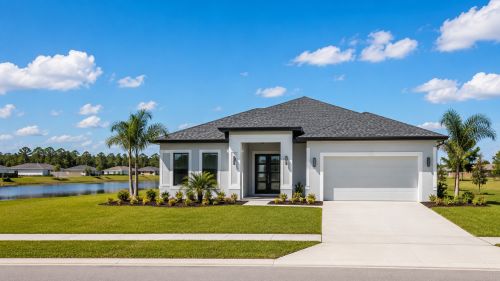
Do You Really Need Homeowners Insurance in Auburndale?
Yes. If you have a mortgage, your lender will usually require homeowners insurance. Even without a mortgage, going without coverage in Auburndale can create serious financial risk because one major fire, wind claim, or liability loss could put years of equity at risk.
The bigger question is not whether you need coverage. It is whether your policy is strong enough for today’s Florida market. Many homeowners still think of insurance as something that only protects against obvious disasters. In reality, homeowners insurance should protect the financial foundation you have built into your property.
In Auburndale, that means reviewing the true cost to rebuild your home, not just its market value or tax assessment. Rebuilding costs continue rising across Florida because of labor demand, material costs, building code requirements, and post-storm repair pressure. A dwelling limit that looked reasonable several years ago may no longer reflect what it would actually cost to rebuild after a major loss.
Homeowners should also understand the difference between replacement cost and actual cash value. Replacement cost coverage is designed to help repair or rebuild using current material and labor costs. Actual cash value factors in depreciation, which can leave a larger out-of-pocket gap after a roof, flooring, cabinet, or personal property claim. Because your home is likely one of your largest assets, that distinction matters before a claim ever happens.
Auburndale’s Storm and Weather Exposure
Auburndale may sit inland, but inland does not mean insulated. Polk County is still exposed to wind from Florida’s hurricanes and tropical systems. These can bring damaging wind, wind-driven rain, lightning, falling limbs, and prolonged power outages across Central Florida.
Homes near older residential streets closer to the Auburndale Civic Center, downtown corridors, and Lake Ariana often face different storm concerns than newer homes toward Lake Juliana, Berkley Road, or developing areas closer to the Polk Parkway. Mature trees can increase falling limb exposure, older roof systems may be more vulnerable to wind-driven rain, and aging exterior features can create openings where water enters during severe weather.
Summer thunderstorms also matter. Heavy rain can develop quickly across Auburndale, especially around US-92, Havendale Boulevard, Recker Highway, and connector routes between Lakeland and Winter Haven. Strong afternoon storms can produce lightning, roof damage, fence damage, and water intrusion even outside named hurricanes.
Auburndale’s inland location also creates a common coverage misunderstanding. Homeowners may focus on wind coverage while overlooking flood risk from heavy rainfall, lake adjacency, drainage issues, or retention pond overflow. Standard homeowners policies do not cover flood damage from rising water. That gap is one of the most important things to understand when reviewing protection for a home in Auburndale.
How Neighborhood and Location Affect Your Rate
Insurance pricing in Auburndale is not based on the city name alone. Carriers evaluate the home’s exact address, roof age, construction type, prior claims, protection class, distance to water, flood zone information, occupancy, and current replacement cost.
A home near Lake Ariana may raise different questions than a home closer to Lake Juliana or a newer subdivision outside the older city core. Properties near lakes may require closer review for drainage, flood exposure, elevation, and whether separate flood coverage should be considered. Homes farther from the lakes may still face retention pond or low-lying street drainage concerns, especially in areas where newer development has added more paved surfaces and stormwater runoff.
Location also matters for households that commute. Auburndale residents often travel toward Lakeland, Winter Haven, Bartow, Haines City, Davenport, Kissimmee, and Plant City for work, school, or family obligations. While commute patterns directly affect auto insurance, they also reflect how Auburndale has grown into a residential hub between major Polk County corridors. Growth can increase demand for housing, repair labor, contractors, and rebuilding materials, all of which can influence long-term insurance planning.
Homes near high-traffic roads like US-92, US-17, US-98, Berkley Road, Havendale Boulevard, and Recker Highway may also sit in areas with different development patterns, drainage designs, and property ages. An older home closer to the in-town grid will not be rated or underwritten the same way as a newer home built near expanding outer subdivisions.
Older In-Town Homes vs. Newer Outer Subdivisions
One of the biggest Auburndale-specific insurance issues is the split between older in-town homes and newer residential growth on the outer edges of the city. With Auburndale’s population growing 32.4% since 2020 to approximately 21,369 residents (2025 Census Estimate), the housing stock now includes a wide range of property ages, construction styles, and underwriting concerns.
Older homes closer to the Auburndale Civic Center, Lake Ariana, downtown streets, and established neighborhoods may have aging roofs, older plumbing, outdated electrical systems, older HVAC equipment, or mature trees hanging over the structure. These homes can still be very insurable, but carriers may require more documentation, such as a four-point inspection, roof condition review, or proof of updates.
Roof age is especially important. Many private carriers have tightened roof age requirements across Florida, and shingle roofs older than 12–15 years may have more limited carrier options based on their condition, remaining useful life, and carrier guidelines. A roof that looks fine from the ground may still create underwriting problems if it is near the age cutoff or lacks clear permit records.
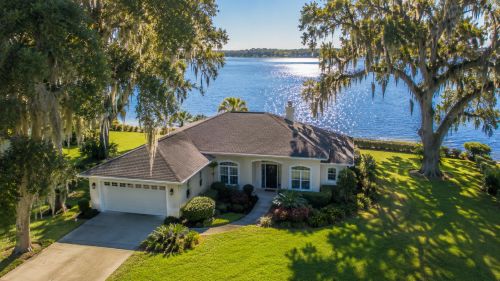
Newer outer subdivisions near Berkley Road, Lake Juliana, and corridors leading toward the Polk Parkway may benefit from modern building codes, updated roof-to-wall connections, engineered truss systems, and wind mitigation features. These features can improve eligibility and may help reduce premiums when properly documented through a wind mitigation inspection.
Newer homes are not automatically risk-free, though. Many newer communities include retention ponds, tighter lot layouts, and drainage systems that should be reviewed carefully. A home built under newer codes may perform better against wind, but its flood exposure still depends on elevation, lot grading, nearby ponds, and how water moves through the neighborhood during heavy rain.
This is where Auburndale differs from a simple statewide homeowners insurance quote. A house near Auburndale Speedway, a lake-adjacent property near Lake Ariana, and a newer home near Lake Juliana can all fall under the same broad city market while needing different coverage conversations. Your policy should reflect the way your home is built, where it sits, and what could realistically threaten your equity.
The Lakes, Drainage, and Flood Exposure
Auburndale’s lakes are one of the community’s defining features, but they also influence how water moves during heavy rainfall. Properties near Lake Ariana and Lake Juliana can experience different drainage patterns than homes located farther away, particularly during prolonged tropical rain events.
FEMA flood status is determined at the parcel level, and two homes only a few streets apart can have very different flood designations. Flood zones should always be verified using the property’s specific address rather than assumptions based on the neighborhood.
Heavy rainfall can also overwhelm retention ponds, roadside swales, and neighborhood drainage systems. Even homes well outside mandatory flood zones can experience standing water after slow-moving tropical systems or consecutive days of rain.
Standard Florida homeowners policies include catastrophic ground collapse coverage as required by state law, though this is narrowly defined and separate from broader sinkhole protection.
Roof Age, Wind Mitigation, and Hurricane Deductibles
Roof age has become one of the most important underwriting factors for Florida homeowners insurance. Many private insurance companies have tightened eligibility requirements, making the age and condition of your roof just as important as your claims history.
Shingle roofs older than approximately 12 to 15 years may face fewer carrier options, additional inspections, or coverage restrictions depending on their condition and maintenance history. Replacing a roof before it becomes an underwriting issue often provides homeowners with more insurance choices rather than fewer.
A wind mitigation inspection can also play an important role in both eligibility and premium savings. Homes with features such as hip roofs, hurricane clips, secondary water resistance barriers, and stronger roof-to-wall connections often qualify for valuable discounts because they are designed to perform better during severe wind events.
Florida homeowners should also understand how hurricane deductibles work. Unlike your standard deductible, hurricane deductibles are usually calculated as a percentage of your dwelling limit rather than a flat dollar amount.
For example, if your home carries a dwelling limit of $400,000 and your hurricane deductible is 2%, your out-of-pocket responsibility before insurance begins paying hurricane damage would be $8,000. Understanding this number before storm season helps eliminate surprises after a major event.
Why Flood Insurance Is Separate — and Why It Matters Here
One of the biggest misconceptions among Auburndale homeowners is believing their homeowners insurance covers flooding. It does not.
Standard Florida homeowners insurance excludes damage caused by rising water entering your home from outside the structure. Whether that water comes from overflowing lakes, heavy rainfall, overwhelmed drainage systems, or street flooding, flood damage requires a separate flood insurance policy.
Both National Flood Insurance Program (NFIP) policies and private flood insurance are available throughout Auburndale. Private flood policies may provide higher limits, broader coverage options, replacement cost for contents, additional living expenses, and shorter waiting periods depending on the property.
Homes near Lake Ariana and Lake Juliana often benefit from reviewing both NFIP and private options side-by-side. Even homes outside mandatory flood zones should understand their actual exposure because flooding frequently occurs outside high-risk FEMA areas.
Navigating Florida’s Homeowners Insurance Market
Florida’s homeowners insurance market continues changing as insurance companies adjust underwriting guidelines, roof requirements, inspection standards, and geographic appetite.
Finding coverage is no longer simply about requesting an online quote. Roof condition, prior claims, home updates, replacement cost calculations, occupancy, and wind mitigation features all influence which companies may offer coverage.
Replacement cost should also be reviewed regularly. Rising labor costs and building materials mean many homes require higher dwelling limits today than they did only a few years ago. Reviewing those limits periodically helps reduce the chance of being underinsured after a major loss.
Vacant homes, seasonal residences, and homes occupied for only part of the year may also require specialized underwriting because occupancy affects both eligibility and coverage conditions.
Step-by-Step: How to Review Homeowners Insurance in Auburndale
- Review your dwelling limit to confirm it reflects today’s rebuilding costs rather than your home’s market value.
- Verify your roof age and determine whether it meets current Florida underwriting guidelines.
- Schedule or update a wind mitigation inspection to identify available premium discounts.
- Review your hurricane deductible and understand exactly how much you would pay before hurricane coverage begins.
- Determine whether flood insurance should be added through the NFIP or a private flood carrier.
- Review whether your policy provides replacement cost or actual cash value coverage for the dwelling and personal property.
- Update your policy whenever you replace your roof, renovate your home, or complete major improvements.
- Compare multiple Florida insurance companies through an independent agency instead of relying on a single carrier’s guidelines.
Frequently Asked Questions
Does homeowners insurance cover flooding in Auburndale?
No. Standard homeowners insurance policies do not cover flood damage caused by rising water. Flood insurance must be purchased separately through either the NFIP or a private flood insurance company.
Why does roof age matter so much for homeowners insurance?
Roof age is one of the primary underwriting factors in Florida. Many carriers limit eligibility for older shingle roofs because they are more susceptible to wind and water damage. A newer roof may also qualify for more carrier options and better pricing.
Should homeowners near Lake Ariana or Lake Juliana consider flood insurance?
Yes. Homes near lakes often benefit from reviewing flood insurance even when it is not required by a lender. Flood exposure should always be evaluated using the property’s exact address because FEMA flood status varies by parcel.
What is the difference between a hurricane deductible and my regular deductible?
Your regular deductible is usually a flat dollar amount for most claims. A hurricane deductible typically equals 2% to 5% of your dwelling limit and applies only to damage from named hurricanes. On a $400,000 home, a 2% hurricane deductible equals $8,000. (FLOIR)
Get an Auburndale Homeowners Insurance Quote

Whether you own an established home near downtown Auburndale, a lake-area property close to Lake Ariana or Lake Juliana, or a newer home in one of the city’s growing neighborhoods, reviewing your coverage against today’s Florida insurance market can help you better understand your options. Comparing multiple carriers also helps account for changing underwriting rules, roof requirements, and rebuilding costs.
Call our local independent agency today at 863-356-4600 or connect with us online to compare policies across multiple top-rated Florida carriers.
Continue learning about Auburndale Flood Insurance and Auburndale Auto Insurance.
When you think insurance… Think Safe.


Last Reviewed: July 2026