


Auburndale flood insurance is an important part of protecting homes throughout this growing Polk County community. While Auburndale is not a coastal city, local flood concerns come from a different source — heavy tropical rainfall, lake levels, retention pond overflow, drainage limitations, and rapid development changing how water moves across the area.
Properties near Lake Ariana, Lake Juliana, and expanding residential areas along Berkley Road, Recker Highway, and Havendale Boulevard can experience very different water behavior depending on elevation, drainage design, and nearby development. Understanding those local conditions before storm season helps homeowners safeguard their investment before a loss occurs.
- Local Reality: Auburndale’s lakes, retention systems, and rapid residential growth create inland flood concerns even away from coastal storm surge areas.
- The Coverage Gap: Standard homeowners insurance does not cover flood damage caused by rising water entering from outside the home.
- Coverage Options: Auburndale homeowners can compare both NFIP and private flood insurance options depending on their property’s location, coverage needs, and risk profile.
- The Independent Advantage: Working with an independent insurance agency gives homeowners access to multiple flood insurance options instead of being limited to one program or carrier.
Auburndale continues changing from a smaller Central Florida community into a rapidly growing residential area connecting Lakeland, Winter Haven, Bartow, Haines City, Davenport, Kissimmee, and Plant City. That growth brings new neighborhoods, expanded roadways, and more paved surfaces that can affect drainage patterns during major storms.
Because flood risk is property-specific, homeowners should verify their exact FEMA flood zone status by address rather than assuming their neighborhood is protected. Two homes only a short distance apart can have different flood exposures based on elevation, nearby lakes, retention ponds, and stormwater flow.
Does Auburndale Really Have a Flood Risk?
Yes. Auburndale may not face direct coastal storm surge, but inland flooding remains a real concern throughout Central Florida. Flooding can occur when heavy rainfall overwhelms drainage systems, fills retention ponds, raises lake levels, or causes water to collect in low-lying areas.
Many homeowners are surprised to learn that approximately 25% of flood claims nationally occur in moderate or low-risk flood zones. (FEMA) A property does not have to sit inside a mandatory flood zone to experience expensive water damage.
Areas throughout Polk County can also experience unpredictable drainage behavior because of Central Florida’s karst geology. This geological profile, combined with lakes, soil conditions, and stormwater systems, means water movement can vary significantly from one property to another.
Lake Ariana, Lake Juliana, and How Water Moves in Auburndale
Water is one of Auburndale’s defining features. Unlike communities where flooding concerns are tied mostly to rivers or coastal areas, Auburndale flood exposure is closely connected to lakes, drainage systems, retention ponds, and how rainfall moves through developed neighborhoods.
Properties near Lake Ariana and Lake Juliana often have beautiful surroundings, but lake-adjacent locations require a closer look at elevation and drainage. Heavy tropical rainfall can increase water levels and place pressure on nearby stormwater systems.
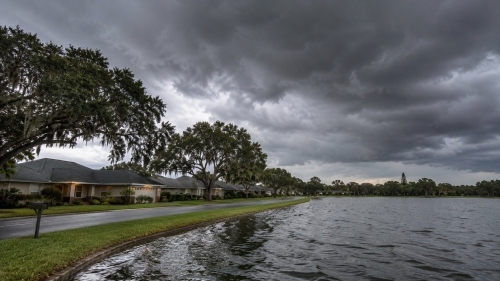
Even homes farther from the shoreline can experience flood concerns when retention ponds reach capacity after several days of rain. Newer neighborhoods often include engineered drainage systems, but no system can eliminate every possible flood scenario during prolonged tropical weather.
Local areas around major corridors like US-92, US-17, US-98, Polk Parkway (SR-570), and Havendale Boulevard include a combination of older development patterns, commercial growth, and expanding residential areas. More pavement means more stormwater runoff that must be managed during severe rainfall events.
From established neighborhoods near the Auburndale Civic Center to areas closer to Auburndale Speedway and expanding communities along the city’s edges, flood exposure depends on the individual property — not just the ZIP code.
FEMA Flood Zones in Auburndale — What Zone X Actually Means
FEMA flood zones help identify long-term flood probability, but they do not guarantee whether a specific home will or will not experience flooding. Every Auburndale homeowner should verify parcel-level flood zone information using the property’s exact address.
A common misconception is that Zone X means “no flood risk.” Zone X generally indicates a property is outside the mapped 100-year floodplain, but flooding can still happen from heavy rainfall, drainage overflow, retention pond issues, or changing development patterns.
For homeowners near Lake Ariana, Lake Juliana, or local drainage systems, reviewing flood coverage can still make sense even when a lender does not require it. The goal is to protect your home and financial security before the next tropical system tests local infrastructure.
Properties located in FEMA Zone AE or Zone A are considered part of a Special Flood Hazard Area (SFHA). Homes in these areas with federally backed mortgages are typically required to carry flood insurance.
How Rapid Growth Is Changing Auburndale’s Drainage Profile
Auburndale has experienced significant growth in recent years, with population estimates showing an increase of approximately 32.4% since 2020 to around 21,369 residents in 2025. This growth has brought new homes, expanding neighborhoods, additional roadways, and more commercial development throughout the area.
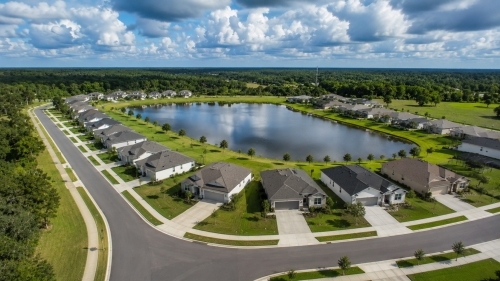
Growth itself does not automatically create flooding, but it does change how water moves. Open land absorbs rainfall differently than neighborhoods, parking areas, roads, and other impervious surfaces. As more areas develop around Auburndale, stormwater systems must manage increased runoff during heavy rain events.
This transition from rural land patterns to suburban development is especially important along growing corridors like Berkley Road, Recker Highway, and connections toward Polk Parkway (SR-570). New construction may include modern drainage planning, but prolonged tropical rainfall can still overwhelm retention ponds and stormwater systems.
Securing flood coverage before storm season allows homeowners to defend against unexpected water damage before a loss occurs. Waiting until a tropical system is approaching can create problems because most flood policies include waiting periods before coverage begins.
NFIP vs. Private Flood Insurance for Auburndale Homeowners
Auburndale homeowners generally have two primary flood insurance options: the National Flood Insurance Program (NFIP) and private flood insurance. The right choice depends on the property, coverage needs, lender requirements, and available options.
The NFIP provides federally backed flood insurance with standardized coverage limits:
- $250,000 maximum building coverage
- $100,000 maximum contents coverage
NFIP coverage can be a strong option for many properties, including some homes located in higher-risk flood zones. However, homeowners with higher rebuilding costs or additional coverage needs may want to compare private flood options as well.
Private flood insurance may offer higher building limits, expanded coverage options, and additional flexibility depending on the home’s location and underwriting review. A newer home near a planned Auburndale development may qualify differently than an older lake-area property near Lake Ariana or Lake Juliana.
Timing also matters. NFIP policies typically include a standard 30-day waiting period before coverage begins unless a qualifying loan closing exception applies. Some private flood options may have different waiting periods, which is why reviewing options before storm season is important.
How Polk County’s CRS Rating Affects Your Flood Premium
The Community Rating System (CRS) is a FEMA program that rewards participating communities for floodplain management activities that exceed minimum requirements. These efforts can create NFIP flood insurance discounts for eligible policyholders.
Polk County currently holds a FEMA CRS Class 6 rating, which provides up to a 20% reduction on NFIP flood insurance premiums for qualifying properties in participating unincorporated Polk County areas.
It is important to understand that this applies to qualifying unincorporated Polk County locations. CRS participation and discounts for properties located specifically inside the City of Auburndale should be verified by address with a licensed insurance agent before assuming a discount applies.
Because city boundaries, mailing addresses, and county jurisdictions do not always align, reviewing the exact property location is the safest way to confirm available flood insurance options and potential CRS benefits.
Step-by-Step: How to Review Flood Insurance in Auburndale
- Confirm whether your current homeowners policy includes flood coverage. Standard homeowners insurance does not cover flood damage from rising outside water.
- Verify your FEMA flood zone using your exact property address instead of relying on general neighborhood assumptions.
- Review nearby water exposures, including Lake Ariana, Lake Juliana, retention ponds, drainage areas, and property elevation.
- Compare NFIP and private flood insurance options, including coverage limits, deductibles, waiting periods, and available protections.
- Consider how Auburndale’s continued growth and changing drainage patterns may affect future flood exposure.
- Work with an independent insurance agency that can compare multiple options and explain which coverage structure fits your property.
Frequently Asked Questions
Do I need flood insurance in Auburndale if I am in Zone X?
Many Zone X homeowners still choose flood insurance because Zone X does not mean a property cannot flood. It simply means the property is outside the mapped 100-year floodplain. Heavy rainfall, lake levels, retention pond overflow, and drainage issues can still create flood damage.
Does homeowners insurance cover flooding near Lake Ariana or Lake Juliana?
No. Standard homeowners insurance does not cover flood damage caused by rising water entering from outside the home. Properties near Auburndale’s lakes should review separate flood insurance options to help protect against this coverage gap.
Is NFIP or private flood insurance better for Auburndale homeowners?
It depends on the individual property. NFIP coverage may work well for some homes, while private flood insurance may provide higher limits or broader protection for others. Comparing both options helps homeowners make an informed decision.
Can new neighborhoods in Auburndale still have flood risk?
Yes. Modern neighborhoods often include improved drainage systems, but retention ponds and stormwater infrastructure can still become stressed during prolonged tropical rainfall. Flood risk depends on elevation, drainage design, nearby development, and the specific property.
Get an Auburndale Flood Insurance Quote

Flood insurance is about protecting your home before water damage creates a financial problem. Whether you live near Lake Ariana, Lake Juliana, established areas near the Auburndale Civic Center, or newer growth corridors throughout Polk County, reviewing coverage options before the next tropical system helps secure your long-term protection.
Think Safe Insurance helps Auburndale homeowners compare flood insurance options through an independent agency approach with licensed agents who understand Central Florida risks.
Need additional coverage? Review our Auburndale homeowners insurance and Auburndale auto insurance resources.
Call our local independent agency today at 863-356-4600 or connect with us online to compare policies across multiple top-rated Florida carriers.
When you think insurance… Think Safe.


Last Reviewed: July 2026