


Auburndale, Florida is one of Polk County’s fastest-growing communities, located between Lakeland and Winter Haven with convenient access to the Tampa and Orlando corridors. Once a smaller Central Florida city, Auburndale has experienced significant residential growth as more families look for a balance between local neighborhoods, regional job access, and Florida’s outdoor lifestyle. With approximately 21,369 residents as of the 2025 Census estimate and population growth of roughly 32.4% since April 2020, Auburndale’s expansion creates important insurance considerations tied to new development, older housing, commuter traffic, lakes, drainage, and storm exposure.
- Population: Approximately 21,369 residents as of the 2025 Census estimate, with significant growth since 2020.
- County: Auburndale is located in central Polk County, Florida, between Lakeland and Winter Haven.
- Known For: Lake Ariana, Lake Juliana, the downtown US-92 corridor, Auburndale Speedway, and convenient access to Central Florida transportation routes.
- Insurance Relevance: Rapid growth, older in-town homes, newer subdivisions, lake exposure, commuter traffic, and Florida’s changing property market all affect local insurance needs.
- Climate Note: Auburndale experiences subtropical heat and humidity, frequent afternoon thunderstorms, and hurricane season from June through November.
Where Is Auburndale, Florida?
Auburndale sits in central Polk County between Lakeland and Winter Haven, making it a convenient location for residents who work throughout multiple parts of Central Florida. The city provides access to major routes including US-92, US-17, US-98, I-4, and the Polk Parkway (SR-570), allowing drivers to connect toward Tampa, Orlando, and surrounding communities.
This location has helped drive Auburndale’s rapid growth as new neighborhoods expand around traditional residential areas. Regional highway access continues shaping development patterns, with many residents choosing Auburndale because they can commute toward larger employment centers while living in a smaller Polk County community.
Growth also changes local risk patterns. More homes, roads, parking areas, and commercial development increase the amount of impervious surface, which can affect stormwater runoff and drainage during Florida’s heavy rainfall events. Understanding these local conditions helps residents protect their homes, vehicles, and long-term financial security before a loss occurs.
Auburndale Neighborhoods and Communities
Auburndale’s housing market includes a mix of older in-town properties, established neighborhoods near local lakes, and newer subdivisions expanding outward as Polk County continues growing. These differences matter because insurance companies evaluate homes based on construction age, roof condition, updates, location, and surrounding exposures.
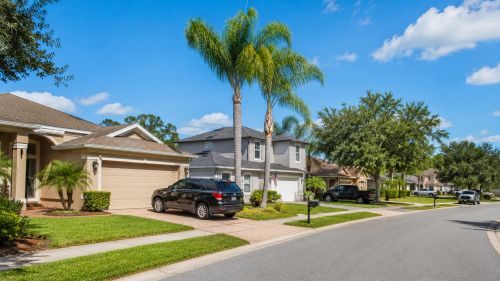
Homes closer to the traditional city center and the downtown US-92 corridor may have different underwriting considerations than newer developments located farther from the historic core. Older properties can face additional review for roof age, electrical systems, plumbing updates, and wind mitigation features.
Newer subdivisions around Auburndale often include updated building standards, modern roofing systems, and engineered neighborhood drainage features such as retention ponds. However, newer construction does not eliminate insurance concerns. Storm exposure, drainage performance, replacement costs, and flood risk still need to be reviewed carefully.
Areas near Lake Ariana, Lake Juliana, and growing residential corridors throughout the city highlight why insurance should be based on the specific property instead of a simple ZIP code assumption. Local expertise from licensed agents can help identify coverage gaps before storm season or another major weather event.
Weather, Storm Risk, and What It Means for Residents
Auburndale’s inland location sometimes creates the impression that major Florida weather risks only apply to coastal areas. However, Central Florida communities can still experience strong winds, heavy rainfall, lightning, and flooding from tropical systems moving across the state.
Hurricane season runs from June through November, and Polk County residents regularly prepare for storms that can bring wind-driven rain, falling tree limbs, roof damage, and extended periods of heavy rainfall. Afternoon thunderstorms are also a routine part of Auburndale’s subtropical climate, especially during the summer months.
For homeowners, these conditions make roof age, wind mitigation features, and proper coverage limits important. Florida’s property insurance market remains challenging, and carrier underwriting can vary significantly between an older home near the center of Auburndale and a newer subdivision property closer to expanding residential areas.
Wind mitigation inspections can help document protective features such as roof shape, roof-to-wall connections, and other construction details that may qualify for insurance discounts. Securing the right coverage before storm season helps safeguard your property before damage occurs.
Lakes, Drainage, and Flood Exposure
Water is an important part of Auburndale’s geography. Local lakes including Lake Ariana and Lake Juliana influence nearby drainage patterns, and heavy rainfall can create localized flooding concerns even away from designated high-risk flood zones.
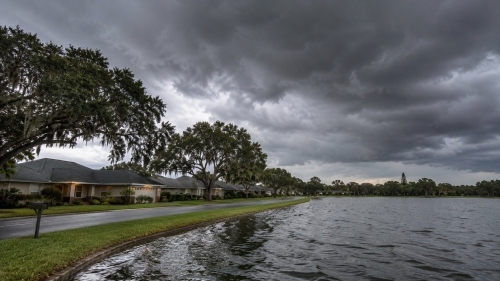
Auburndale’s flat terrain and Central Florida’s karst geology can influence how water collects and drains during prolonged rain events. In newer communities, retention ponds are designed to manage stormwater, but they can still experience stress during back-to-back storms or tropical rainfall.
One common misconception is that homes located in FEMA Zone X have no flood concerns. Zone X generally means a property is outside the mapped high-risk flood area, but it does not guarantee flooding cannot happen. Drainage issues, overwhelmed retention systems, and unusual rainfall patterns can still create expensive losses.
Standard homeowners insurance does not cover flood damage from rising water entering from outside the home. Auburndale residents can compare both National Flood Insurance Program (NFIP) policies and private flood insurance options to help protect against this separate risk.
Getting Around Auburndale
Auburndale residents rely heavily on regional roads for work, school, shopping, and daily errands. Major routes such as US-92, US-17, US-98, Berkley Road, Havendale Boulevard, and Recker Highway connect drivers throughout Auburndale, Lakeland, Winter Haven, and the surrounding Polk County area.
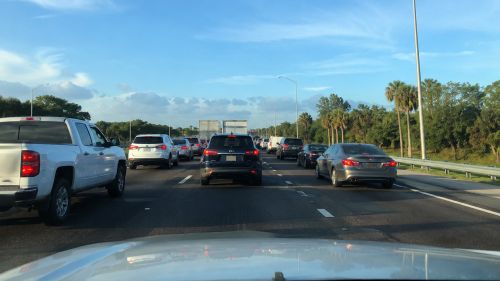
Direct access to I-4 and the Polk Parkway (SR-570) also makes Auburndale attractive for households commuting toward larger employment bases in Lakeland, Winter Haven, Orlando, and Tampa. That convenience comes with higher traffic exposure, especially for drivers using the US-92 and US-17/98 commuter corridors.
Auburndale also includes a mix of suburban streets, rural-to-suburban connector roads, and faster-moving routes where lane departures, rear-end collisions, and weather-related accidents can occur quickly. Florida’s uninsured motorist exposure makes it important for drivers to review liability limits, uninsured motorist coverage, comprehensive coverage, and collision protection before an accident happens.
Local Employers, Economy, and Why People Live Here
Auburndale functions as a commuter city serving employment bases in Lakeland, Winter Haven, and the broader Orlando corridor. Regional highway access is one of the biggest reasons residential growth has accelerated, especially for families who want Central Florida access without living directly inside a larger city.
The local economy includes a mix of retail, service businesses, and light industrial activity along the US-92 and US-17/98 corridors. Areas near the downtown US-92 corridor, the Auburndale Civic Center, and surrounding commercial districts support everyday local activity, while highway access helps connect residents to broader job markets.
From an insurance standpoint, the larger takeaway is clear: Auburndale’s growth, commuter patterns, and expanding residential footprint create changing risks for homes, vehicles, and families trying to secure long-term protection.
Insurance Considerations for Auburndale Residents
Insurance in Auburndale requires looking at how local housing, roads, weather, and drainage work together. A home near an older in-town street may face different underwriting scrutiny than a newer subdivision home built farther from the traditional city center. Roof age, wind mitigation features, electrical updates, plumbing condition, replacement cost, and storm exposure can all affect homeowners insurance options.
For homeowners, lake-adjacent areas near Lake Ariana and Lake Juliana deserve careful flood review. Retention ponds in newer subdivisions can also create drainage concerns during intense rainfall, especially as rapid growth adds more paved surface throughout the area. A standard homeowners policy does not cover flood damage from rising water, so separate flood insurance should be reviewed before storm season.
For drivers, US-92, US-17/98, Havendale Boulevard, Berkley Road, and I-4 access all create commuter corridor risk. Polk County crash data context matters because more driving exposure usually means higher accident potential, especially during rush hour, heavy rain, or seasonal travel. Higher liability limits and uninsured motorist coverage can help protect income, savings, and future assets after a serious crash.
Florida’s property insurance market remains challenging, and mixed housing stock makes independent guidance especially valuable. Working with an independent insurance agency means comparing multiple carriers instead of being limited to one company’s underwriting rules. That matters when your goal is to safeguard your home, protect your vehicles, and secure coverage that fits the way you actually live in Auburndale.
Nearby Cities We Also Serve
Think Safe Insurance serves Auburndale and surrounding Central Florida communities including Lakeland, Winter Haven, Bartow, Haines City, Davenport, Kissimmee, and Plant City.
Whether you are moving into a new subdivision, reviewing coverage on an older in-town property, or comparing policies before the next tropical system, our team can help you evaluate local insurance options with clear guidance.
Homeowners Insurance
Auburndale homes range from older in-town properties to newer subdivisions, and each can face different roof age, wind mitigation, drainage, and underwriting concerns.
Auto Insurance
US-92, US-17/98, I-4 access, Havendale Boulevard, and daily commuter traffic make proper liability, UM, comprehensive, and collision coverage important.
Flood Insurance
Lake Ariana, Lake Juliana, retention ponds, Zone X properties, and rapid drainage stress make flood coverage worth reviewing before heavy rain season.
For local insurance guidance in Auburndale, call Think Safe Insurance at 863-356-4600 to speak with a licensed agent about your home, auto, or flood insurance options.
When you think insurance… Think Safe.


Last Reviewed: July 2026